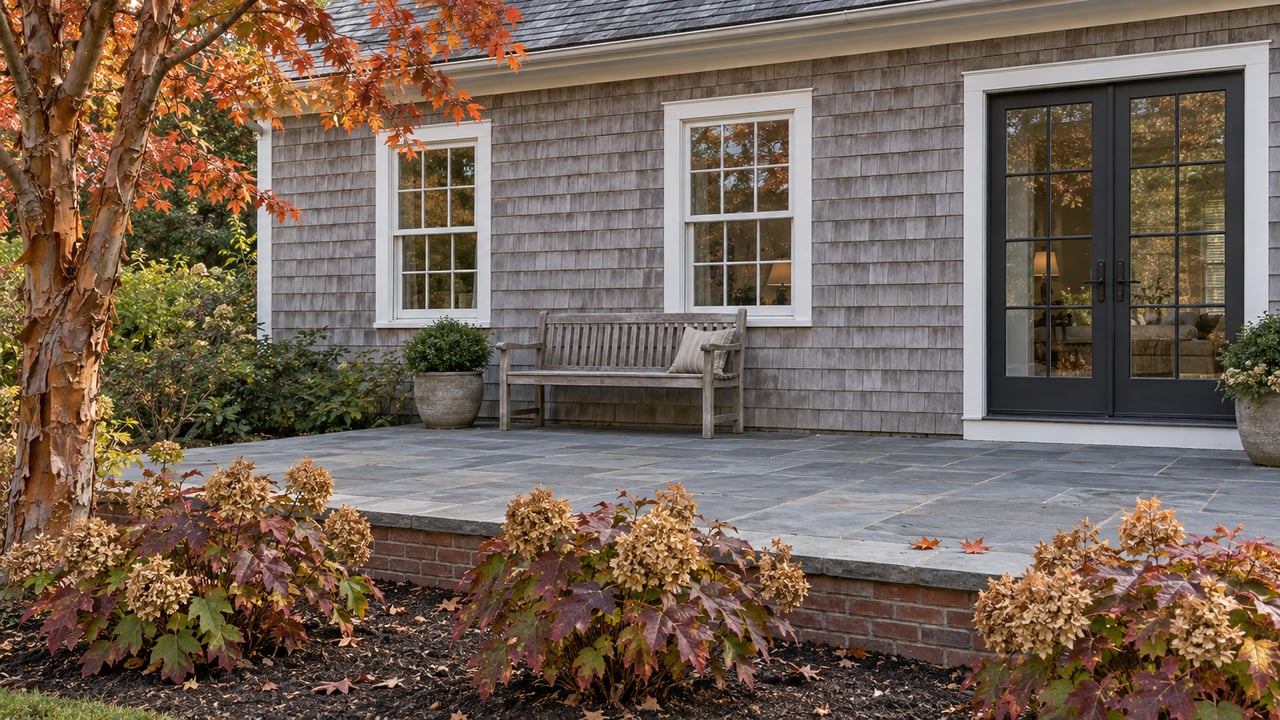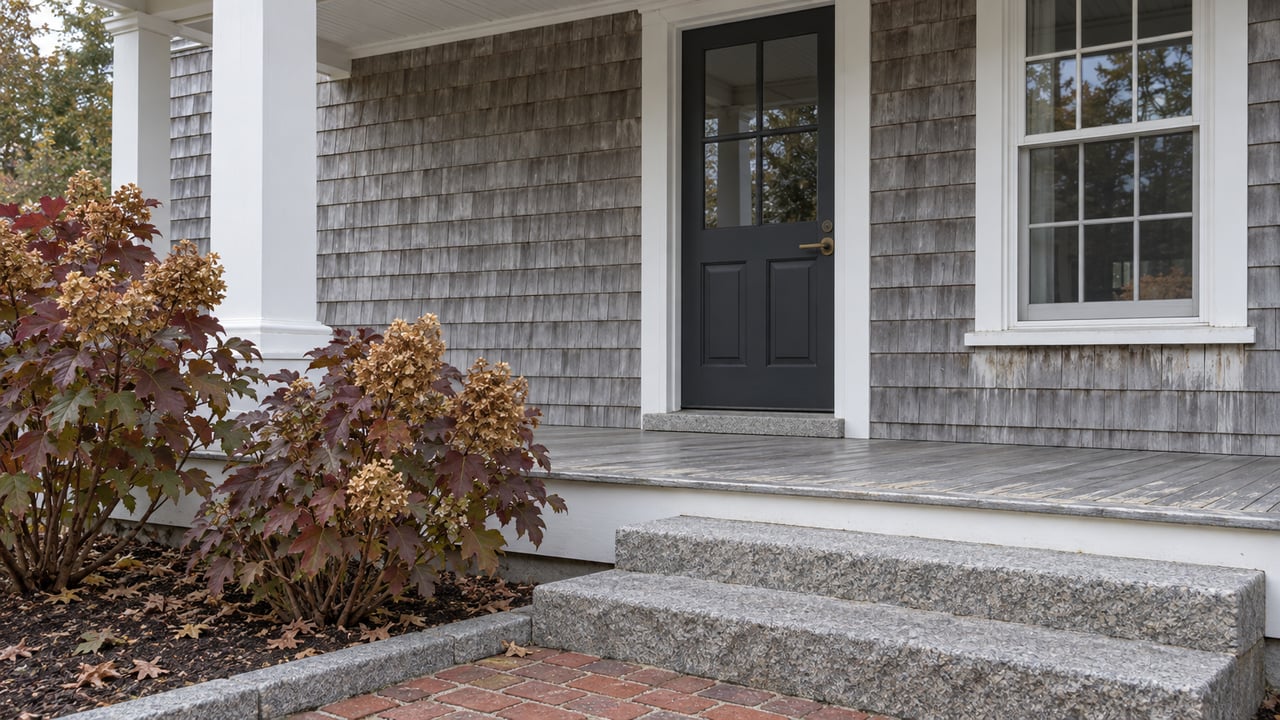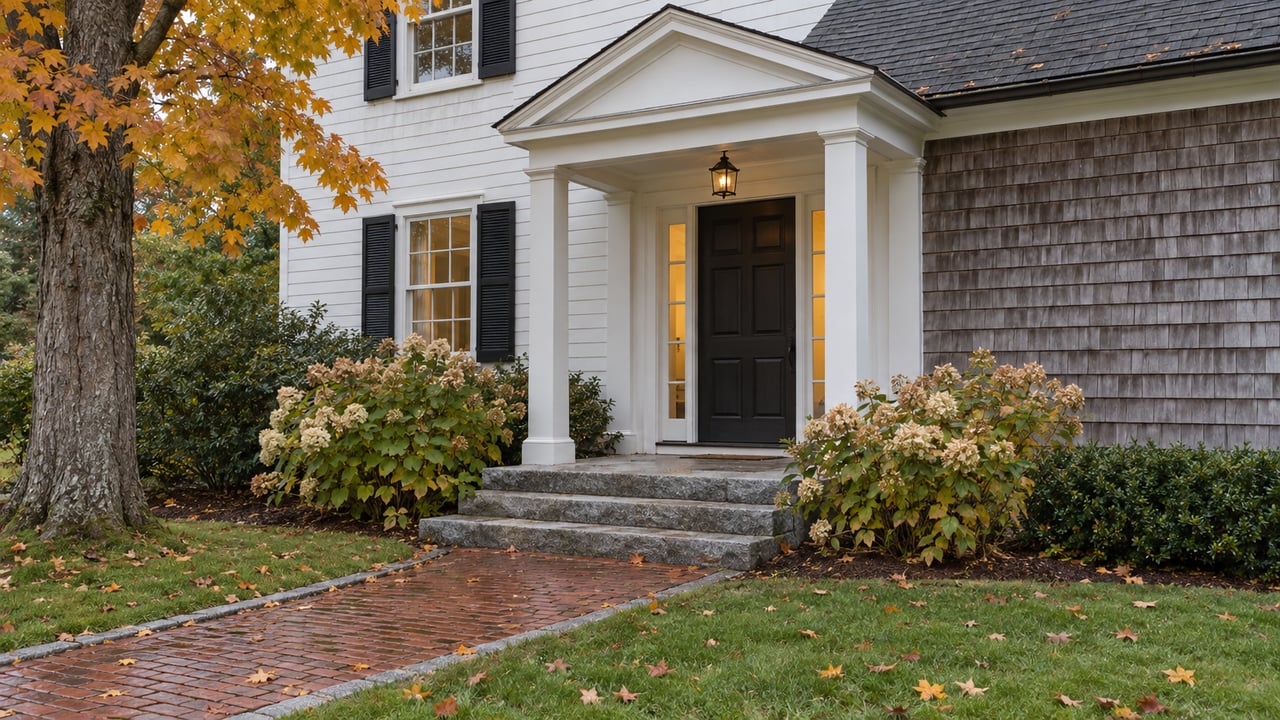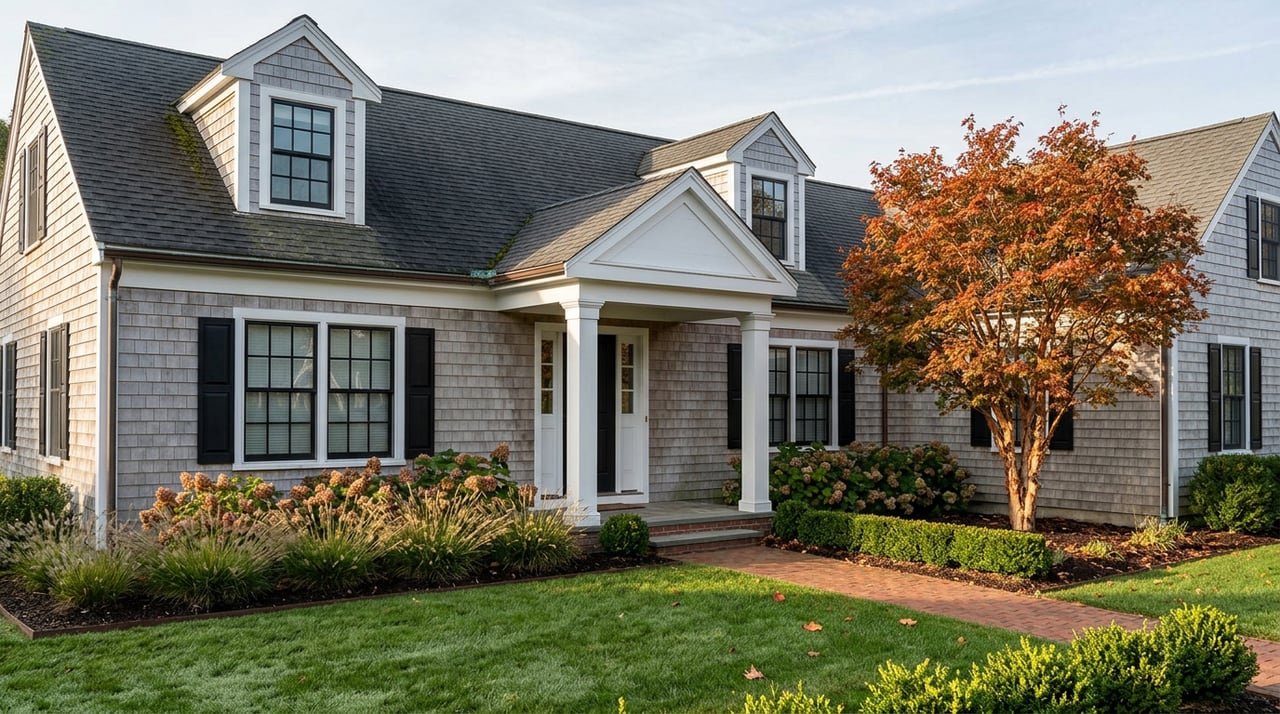
If you have ever wondered why one home in Newton sells for far more than another that looks similar online, you are not alone. Buyers and sellers often see the city’s strong prices and assume there is one simple answer, but Newton is much more nuanced than that. When you understand what actually drives value here, you can make smarter decisions whether you are preparing to buy, price, or improve a home. Let’s dive in.
Newton values are not one-size-fits-all
Newton is an expensive market, but it is also a highly segmented one. The city is about seven miles west of downtown Boston and is organized around 13 villages rather than one central downtown, which creates very different lifestyle and pricing patterns across the city.
That local variation shows up clearly in the numbers. According to the city’s FY2026 report, median assessed values were $1,503,500 for single-family homes, $1,213,950 for two-family homes, $1,365,900 for three-family homes, $813,500 for condominiums, and $2,111,900 for apartments with four or more units.
Newton’s single-family market has also climbed sharply over time. The city reports that median single-family sale prices rose from $1.07 million in 2016 to $1.85 million in 2025, and almost 90% of single-family homes sold for more than $1 million in 2024.
At the same time, citywide averages can hide major differences. In 2024, single-family sales ranged from $443,000 in Nonantum to $9 million in West Newton Hill, which is a strong reminder that micro-location, lot characteristics, and home quality matter a great deal in Newton.
Village location affects home value
One of the biggest influences on home values in Newton is where the home sits within the city. Newton’s 13 villages developed in different ways over time, often around rail stops, rivers, mills, and houses of worship, and those differences still shape how each area functions today.
Some village areas offer more walkable local commerce, while others feel more residential and quieter. The city groups commercial areas into several categories, including convenience centers, neighborhood centers, village centers, gateway centers, and retail or service clusters, which means day-to-day access to shops, services, and parking can vary significantly.
For many buyers, that daily experience carries real value. Two homes with similar square footage may attract different interest levels if one is closer to errands, dining, or a more active village center and the other is in a less connected setting.
Transit access can raise demand
Transit is another major factor in Newton home values. The Green Line serves Riverside, Woodland, Waban, Eliot, Newton Highlands, Newton Centre, and Chestnut Hill, while commuter rail serves Auburndale, West Newton, and Newtonville.
The city also has bus routes connecting different parts of Newton. In practical terms, homes near rail stations or strong bus connections often benefit from an access advantage, especially for people who value commuting options or easier regional travel.
Newton’s appeal is also tied to its location near Boston and its transportation systems more broadly. The city highlights proximity to Boston, multiple transportation systems, and nearby colleges and universities with combined enrollment of about 17,000 students, all of which add to the area’s demand profile.
Employment access supports pricing
Home values are often shaped by how convenient a location is to daily work and services. Newton’s geography includes employment clusters around Newton-Wellesley Hospital, local universities, Wells Avenue, and major commercial corridors.
That helps explain why two homes that appear similar on paper may command different prices. If one offers easier access to jobs, hospitals, or major routes, buyers may see it as more practical and bid accordingly.
Property type changes the value equation
Newton is not just a single-family market. The city’s 2020 housing snapshot counted 17,184 single-family units, 5,235 condo units, 5,386 two-family units, 819 three-family units, 4,328 apartment units, and 102 accessory apartments.
That housing mix matters because each property type serves a different buyer pool. A condo, two-family, and single-family home should not be viewed through the same lens, even if they are located close to one another.
Newton’s assessors specifically note that a single-family property should not be directly compared with a condominium. The most useful benchmark is comparable sales of similar size and type in the surrounding area, not broad citywide averages.
The city also notes that, in Newton, single-family homes have often sold for more than similarly sized two-family properties because many buyers prefer single-family living. That local preference can have a direct impact on pricing.
Lot size and land scarcity matter
Land plays a major role in Newton values because the city is largely built out. Newton’s zoning materials explain that the residential framework largely dates to the 1950s, originally favored large houses on large lots, and left little undeveloped land remaining today.
When buildable land is limited, lot size tends to matter more. Buyers and investors may place added value on a property with a larger lot, better siting, or more flexibility for future expansion.
The city also notes that large single-family homes continue to be torn down and replaced with much larger, more expensive homes, while opportunities for multifamily and missing-middle housing remain limited in most residential areas. That means development potential can influence value almost as much as current square footage.
Age and housing style influence appeal
Newton’s housing stock is older than many buyers realize. A city market study found that more than 50% of Newton’s housing stock was built before 1940 and more than 90% before 1990.
That creates both opportunity and variation. Some buyers are drawn to older homes because they want architectural character and a sense of history, while others prefer newer or more accessible layouts.
Because of that, age alone does not determine value. Instead, value often depends on how well an older home has been maintained, updated, or adapted to modern living.
Condition and updates carry weight
A home’s condition is one of the most direct value drivers in Newton. The city’s assessors say they consider interior and exterior condition, kitchen and bath quality, finished attic space, and finished basement space when estimating market value.
This is why two homes with similar size can end up with very different pricing. A home with an updated kitchen, refreshed baths, or finished lower-level space may appeal to a broader group of buyers than a home that needs major work.
The assessors also state plainly that a newer kitchen or an addition generally increases market value. In a market where buyers often pay a premium for move-in-ready homes, thoughtful updates can have a meaningful effect.
Comparable sales still set the tone
No matter how beautiful a home is, value is still anchored by the local market. Newton assessors say assessments reflect estimated market value as of January 1 of the prior year and that FY2026 values were based on sales from late 2023, calendar 2024, and early 2025.
They also note that assessments represent 100% of market value. More importantly for buyers and sellers, they emphasize using comparable sales of similar properties rather than making direct comparisons across different property classes.
In simple terms, neighborhood comps matter more than citywide headlines. One standout sale usually does not reset the market by itself, but a pattern of similar nearby sales can strongly influence what a home is worth.
Preservation rules can affect redevelopment
In some cases, a property’s value is tied not just to what can be built, but also to what cannot. Newton’s Historical Commission requires review before demolition or partial demolition of any structure more than 50 years old, including garages and sheds.
If a property is found to be preferable-preserved, the city can impose a 12- or 18-month demolition delay. For some buyers, that framework helps maintain neighborhood character. For others, it may affect timelines and redevelopment plans, which can influence what they are willing to pay.
Demand stays strong in Newton
Broad demand trends continue to support home values in Newton. The city highlights public transportation, proximity to Boston, and community infrastructure as key parts of its appeal.
Newton Public Schools enrolled 11,494 students in 2024-2025 across 15 elementary schools, 4 middle schools, 2 high schools, and 2 alternative high school programs, with more than 70 languages spoken in the district. For many buyers, the size and reach of that district are part of the value conversation.
On the supply side, Newton’s MBTA Communities page says the city became fully compliant in March 2025 after adopting Village Center Overlay District zoning that allows multifamily housing by right near transit. Even so, future supply growth is expected to be more incremental and transit-focused than large-scale expansion, which helps explain why well-located homes can continue to hold value.
What buyers and sellers should watch
If you are trying to understand a home’s likely value in Newton, focus on a few core factors together rather than in isolation. The strongest pricing outcomes usually come from the interaction of location, property type, lot characteristics, condition, and nearby comparable sales.
Here are the factors that usually matter most:
- Village and micro-location within Newton
- Proximity to transit, village centers, and major routes
- Property type, such as single-family, condo, or two-family
- Lot size and possible expansion or redevelopment potential
- Age of the home and overall condition
- Quality of kitchens, baths, and finished living space
- Recent comparable sales of similar homes nearby
- Any preservation or demolition-review considerations
For sellers, this means pricing should be highly specific to your home’s location and features. For buyers, it means looking past citywide averages and studying how each block, village, and property class behaves in the market.
Newton rewards local context. If you want a clearer read on what influences value for a specific home, neighborhood, or village, Barrie Naji offers private, high-touch guidance tailored to your goals.
FAQs
What most affects home values in Newton, MA?
- The biggest factors are micro-location within Newton, property type, lot size, condition, updates, transit access, and comparable sales of similar nearby homes.
Does village location matter for home prices in Newton?
- Yes. Newton’s 13 villages function differently, and differences in walkability, commerce, parking, transit access, and daily convenience can influence demand and pricing.
Do updated kitchens and bathrooms increase Newton home value?
- Yes. Newton’s assessors say kitchen and bath quality are part of value analysis, and a newer kitchen or an addition generally increases market value.
Why do similar homes in Newton sell for different prices?
- Similar-looking homes can vary in value because of differences in village location, lot characteristics, condition, finished space, and the comparable sales used to measure market value.
Does transit access help home values in Newton, MA?
- In many cases, yes. Homes near Green Line stops, commuter rail stations, or strong bus connections often benefit from better access and stronger buyer interest.
Is land scarcity a factor in Newton home prices?
- Yes. Newton is mostly built out with little undeveloped land remaining, so lot size, expansion possibilities, and redevelopment potential can have a major impact on value.