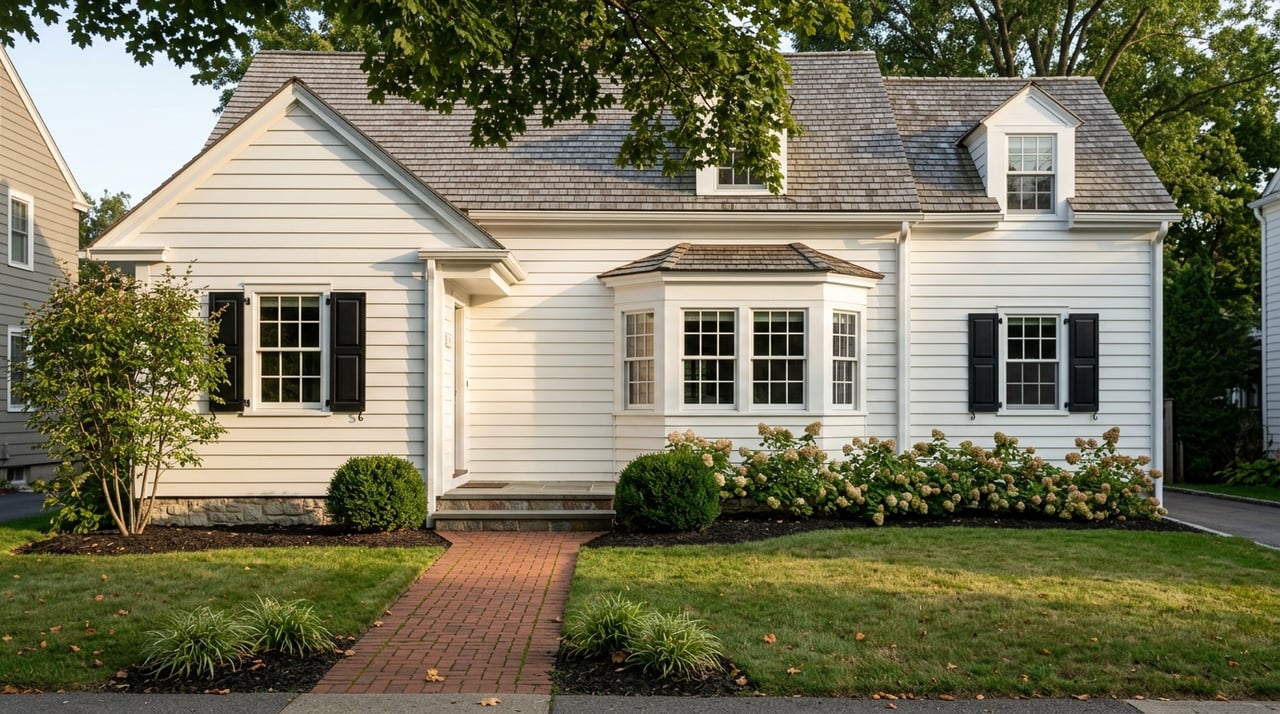
Are you picturing Waltham as a place of office campuses and little else? That idea misses what many residents experience day to day. If you are considering a move or simply trying to understand the city better, it helps to look past the business parks and see how Waltham actually lives. Let’s dive in.
Waltham Feels Like a Real Neighborhood City
Waltham’s own newcomer information presents the city through the basics of daily life: neighborhoods, parks, recreation, parking, trash and recycling, and library services. That is a useful clue if you are evaluating the area as a home base rather than a commute stop.
The city also points residents to a neighborhood map and a ward and precinct map, which reinforces that Waltham is organized into distinct residential areas. In other words, this is not just a collection of office buildings. It is a city with an everyday rhythm and a strong civic framework.
Waltham’s resident guide also notes seven elementary schools, two middle schools, and two high schools, along with Brandeis University and Bentley University. Those details help paint a fuller picture of a community with long-term residential infrastructure and activity across age groups.
Moody Street Anchors Daily Life
If you want to understand Waltham’s social center, start with Moody Street. A city planning feasibility study describes it as a historic commercial hub in the center of Waltham, running north-south through downtown.
That same study notes nearly 20 restaurants along the corridor, as well as markets, salons, barbershops, and gathering spaces such as Fahey Park. The northern end is also close to the MBTA station, Waltham Common, and City Hall, which gives the area a connected, walkable feel.
Waltham’s resident guide adds that the city is known for its large selection of restaurants, many located along Moody and Main Streets. For buyers who value being near dining and everyday conveniences, that matters because it points to a city center with real local energy.
In 2026, the city re-approved outdoor dining and retail on Moody Street from Memorial Day through Labor Day while keeping two-way traffic and side-street access in place. That seasonal setup reflects a downtown that is designed to be used, enjoyed, and revisited throughout the warmer months.
River Access Adds More Than Scenery
The Charles River is one of Waltham’s biggest lifestyle advantages. According to Mass.gov, the Upper Charles River Reservation runs from the Watertown Dam through Waltham, Newton, and Weston, and connects to the Charles River Pathway in Cambridge and Boston.
That means the riverfront is not just a visual amenity. It is part of a broader recreational network that supports biking and outdoor activity across multiple communities.
Waltham’s resident guide says the river paths cover most of the south bank and part of the north bank from Prospect Street to Moody Street. If you are someone who wants outdoor access built into your weekly routine, that kind of path system can make a real difference.
The guide also notes that some commuters use the path to ride into offices in Cambridge and Boston. That is a meaningful detail because it shows how Waltham blends recreation and practical mobility in a way that appeals to many Greater Boston buyers.
Seasonally, Paddle Boston also sets up along the river path, adding another layer of warm-weather activity. For residents, that contributes to the sense that Waltham offers more than a place to sleep after work.
Transit Makes Waltham Practical
Lifestyle matters, but convenience matters too. Waltham offers useful transit options that can support a range of routines, whether you commute daily, split time between home and the city, or simply want flexibility.
The city lists two commuter rail stops on the Fitchburg-Boston line: Central Square Waltham and 1 Sawyer Road near Brandeis. It also lists bus routes 61, 70, 170, 505, 553, 554, 556, and 558.
For buyers relocating to Greater Boston, this is often a key part of the decision. A city can have charm, but if getting around feels difficult, that charm may not carry the whole experience. Waltham stands out because it pairs neighborhood life with workable connections.
Community Life Goes Well Beyond Work Hours
One of the clearest signs that Waltham is more than an office-park city is its calendar. The city’s Cultural Council funds arts, humanities, and interpretive-science events, and the 2026 city calendar includes Summer Concerts on the Common, Pride, Juneteenth, Market Day, and the annual fireworks celebration at Moody Street Bridge.
That variety matters because it shows recurring public life rather than isolated attractions. People are not only coming into Waltham to work. They are gathering, celebrating, and participating in events across the year.
The Waltham Public Library also plays a meaningful role in that pattern. The resident guide describes it as a fully funded community hub with programming for all ages, which supports the idea of Waltham as a place built around resident life.
Waltham Has Several Cultural Anchors
Some cities rely on one major destination to define their identity. Waltham feels more layered than that.
The Charles River Museum of Industry and Innovation, located at 154 Moody Street, describes itself as an educational regional museum. Gore Place adds another dimension as an 1806 country estate with a museum, green space, and a working farm.
The Waltham Museum, which focuses on local history, offers another point of connection to the city’s past. Together, these places create a broader sense of cultural life that supports residents and visitors alike.
For homebuyers, this matters in a practical way. A city with multiple civic and cultural destinations often feels more grounded, more active, and more interesting over time.
What This Means If You’re Considering Waltham
If you are exploring Waltham as a place to live, the bigger story is balance. You have a downtown commercial spine on Moody Street, riverfront recreation along the Charles, practical transit options, and a city calendar that supports community life.
That mix can be especially appealing if you want more than a purely residential suburb but also do not want a place that feels anonymous or overly corporate. Waltham offers a middle ground that many buyers find compelling.
It can also be a smart option if you are relocating and want a city that is easier to understand once you get on the ground. The daily-life infrastructure is visible. The civic centers are active. The transportation options are straightforward.
Most importantly, Waltham reads as a place where people live full lives, not just a place where they clock in and out. That distinction is what makes the city worth a closer look.
If you are weighing a move to Waltham or comparing it with other Greater Boston communities, a neighborhood-level strategy can help you focus on the areas, housing types, and commute patterns that best fit your goals. To plan your next step with discreet, high-touch guidance, schedule a private consultation with Barrie Naji.
FAQs
What is Moody Street like in Waltham, MA?
- Moody Street is a historic commercial hub in central Waltham with nearly 20 restaurants, markets, salons, barbershops, and community spaces such as Fahey Park, according to a city planning study.
Does Waltham, MA have access to the Charles River?
- Yes. Waltham has river paths along much of the Charles River corridor, and the Upper Charles River Reservation connects through Waltham to nearby communities including Cambridge and Boston.
Is Waltham, MA practical for commuting?
- Yes. The city lists two commuter rail stops on the Fitchburg-Boston line and multiple bus routes, and the resident guide notes that some commuters bike along the Charles River path to Cambridge and Boston.
What kinds of community events take place in Waltham, MA?
- The 2026 city calendar includes events such as Summer Concerts on the Common, Pride, Juneteenth, Market Day, and the annual fireworks celebration at Moody Street Bridge.
Does Waltham, MA offer more than office parks?
- Yes. City and state sources support a broader picture of Waltham that includes residential neighborhoods, downtown dining, riverfront recreation, cultural venues, transit access, and recurring civic life.