Thinking about living in Foxborough, MA? You are probably wondering whether it feels like a true suburb, how practical the commute is, and what daily life looks like when it is not a game day. If you want a clear picture of Foxborough’s homes, transportation, and community rhythm, this guide will help you understand what to expect before you make a move. Let’s dive in.
Foxborough at a glance
Foxborough is an established Norfolk County suburb with an estimated 18,791 residents and 7,134 households, according to the U.S. Census QuickFacts for Foxborough town. The same source reports a median household income of $115,833, with 73.7% owner-occupied housing and 92.4% of residents living in the same house one year earlier.
Those numbers suggest a community with a relatively stable housing base and a strong long-term resident presence. If you are looking for a suburb that feels established rather than rapidly shifting, Foxborough may stand out for that reason alone.
Foxborough homes and housing mix
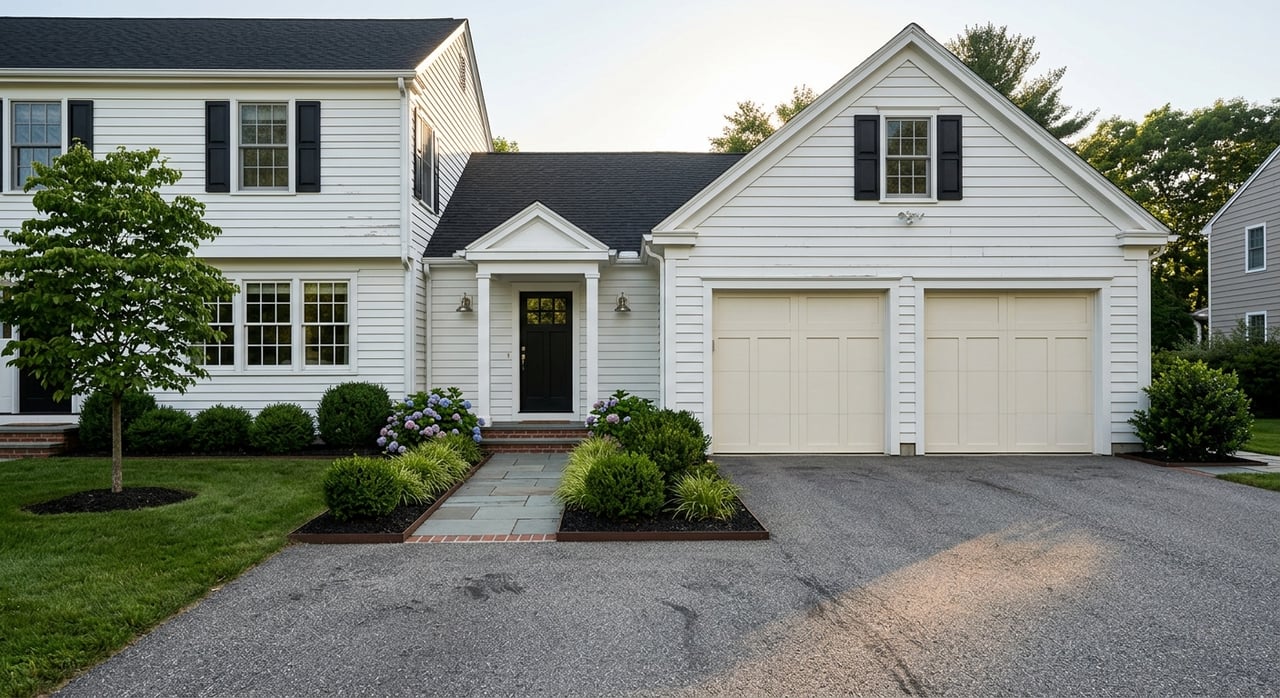
Foxborough is known primarily for single-family housing. The town’s Housing Production Plan says about 67% of housing units were single-family homes, with the rest made up mostly of multifamily options.
That same planning document explains why the housing pattern feels suburban. Much of Foxborough is in the R-40 district, where single-family homes are allowed by right, while duplexes and multifamily housing are not. In the R-15 district, single-family homes and duplexes are allowed by right, while multifamily requires a special permit.
For you as a buyer, that usually translates to a market where detached homes shape much of the town’s residential identity. If your goal is a classic suburban setting with more single-family neighborhoods than dense development, Foxborough aligns well with that preference.
What housing options exist beyond single-family homes?
Foxborough is not limited to one housing type. The town notes in its planning materials that it has added some townhomes, apartments, and larger multifamily developments over time, even though zoning has generally kept the overall feel more suburban than dense.
The town also allows accessory dwelling units in some residential districts, creating a limited path for smaller living spaces. That may matter if you are considering flexible housing arrangements, multi-generational living, or future adaptability.
Home values and pricing context
Foxborough sits in what many buyers would view as an upper-suburban price range. The Census reports a median owner-occupied home value of $606,300 and a median gross rent of $1,843 in Foxborough.
The town’s assessor has also stated that FY26 residential valuation is based on a 9% increase for the average single-family home. In practical terms, you should expect pricing that reflects steady demand and a market that is not positioned as an entry-level option for most buyers.
How housing may evolve
Foxborough is also in the middle of a policy shift that could broaden housing choice over time. The town states that it is a Commuter Rail Community under the MBTA Communities law, and planning materials describe work on a multifamily overlay district.
That does not change the current character overnight. Still, it does suggest that housing options may slowly diversify in the years ahead, even as the town remains largely defined by single-family homes today.
Supportive housing resources
For residents who need assisted or subsidized housing support, Foxborough also has a Housing Authority and Affordable Housing Trust. The town says these resources serve elderly, non-elderly, and family households.
Commutes in Foxborough
If commute convenience is high on your list, Foxborough offers a strong road network. The town highlights its location at the intersections of I-95 and I-495, along with about 94 miles of roads and 72 miles of sidewalks, on its About the Town page.
For many residents, that highway access is one of Foxborough’s most practical advantages. It can make daily driving, regional commuting, and errands more straightforward than in locations with fewer direct roadway connections.
Is Foxborough a car-dependent town?
In many ways, yes. Foxborough’s transportation setup is more suburban and car-oriented than transit-heavy.
The town’s transportation page says GATRA provides paratransit only and that Foxborough does not have fixed-route bus service. For buyers who want dense public transit options, that is an important point to understand early.
The Census reports a mean travel time to work of 29.0 minutes, which fits a broader regional commuter pattern. If you are comfortable relying on a car for most daily movement, Foxborough is likely to feel more natural than if you want a bus-and-train-centered lifestyle.
What about commuter rail access?
Rail can still be useful, but it appears more limited than in some other Greater Boston communities. The town’s transportation page notes that Foxboro Station did not have weekend train service in an April 2025 service alert, and planning materials also note that some residents use Mansfield Station for Providence/Stoughton Line access.
That means commuter rail may work as a supplement rather than a full seven-day transit solution. If you work in Boston or another regional job center, Foxborough can still make sense, but it helps to think of rail as one tool among several, not the town’s defining transportation feature.
Daily life in Foxborough
Foxborough is known widely because of Gillette Stadium, but local life goes far beyond event traffic. The town supports year-round recreation and community programming through its Recreation Department, including an eight-week summer program at Booth Field.
The community center at 76 Main Street houses Council on Aging, Human Services, and Recreation functions. The town also describes Boyden Library as a cultural and informational center, giving residents another everyday destination that is not tied to the stadium area.
Local amenities and town traditions
Foxborough offers a range of community spaces and events that shape day-to-day life. The town highlights Founders' Day, Concerts on the Common, conservation areas, the Mill Street Public Pool, and Sweatt Beach on Lake Pearl as local amenities and activities.
Those details matter because they show how the town functions between major events. If you want a place with established community traditions and a mix of public spaces, Foxborough offers more than a highway exit and a sports venue.
A historic side of town
Foxborough also has a historic district on Baker Street, administered to preserve architectural significance and neighborhood character. That adds a more traditional New England layer to the town’s identity.
This is part of what makes Foxborough feel varied. The historic district presents a different atmosphere from the more commercial Route 1 corridor, giving the town more texture than many people expect.
Patriot Place and Gillette Stadium
One of Foxborough’s biggest distinguishing features is the scale of activity around Patriot Place and Gillette Stadium. According to the official Patriot Place site, the development spans more than 1.3 million square feet and includes 19 signature restaurants, shopping, entertainment, a four-star hotel, and a nature trail around a cranberry bog.
The site also notes the presence of DORA zones, where takeout food and alcoholic beverages may be enjoyed outdoors on the property. That helps keep the area active outside of major event dates.
Gillette Stadium remains a major draw as well. The town’s About the Town page notes that it is home to the Patriots and Revolution and hosts concerts and other events throughout the year.
For you as a potential resident, that setup can be a plus if you value nearby dining, entertainment, and large-scale attractions. At the same time, it is worth understanding how that regional destination shapes traffic and energy in parts of town.
Who Foxborough may suit best
Foxborough tends to appeal to buyers who want suburban space, single-family neighborhoods, and practical highway access. Town planning materials describe Foxborough as a home base for people who work in Boston and elsewhere in the region, which supports its role as a commuter-oriented suburb.
It may also appeal to households looking for an established public school system. The Foxborough Public Schools district says it serves about 2,596 students across five schools and charges no fees for athletics, transportation, parking, or extracurricular clubs and activities.
More broadly, Foxborough can be a good fit if you want:
- Mostly single-family residential areas
- Strong highway access via I-95 and I-495
- Community events and local recreation amenities
- A town center and regional retail hub in the same community
- A suburban setting with some commuter rail access
Foxborough may be a less natural fit if your priorities are different. Based on the town’s transportation and housing profile, buyers who need robust local bus service, a dense walk-everywhere layout, or a lower-cost housing market may want to weigh those tradeoffs carefully.
Final thoughts on living in Foxborough MA
Foxborough offers a blend that is hard to replicate: a mostly single-family suburban housing base, strong regional highway access, and a level of dining and entertainment activity that is unusual for a town its size. It feels established, practical, and active, with enough community infrastructure to support daily life well beyond stadium events.
If you are considering a move to Foxborough or comparing it with other Greater Boston suburbs, working with a local advisor can help you match the town’s character, housing options, and commute realities to your goals. When you are ready for personalized guidance, Barrie Naji can help you explore the right next step.
FAQs
What is the housing market like in Foxborough MA?
- Foxborough is mostly a single-family home community, with town planning materials reporting that about 67% of housing units were single-family homes, alongside a smaller share of townhomes, apartments, and multifamily housing.
Is Foxborough MA good for commuting to Boston?
- Foxborough offers strong highway access through I-95 and I-495, and some residents also use commuter rail options such as Foxboro Station or Mansfield Station, though local transit options are limited.
Does Foxborough MA have public transportation?
- Foxborough does not have fixed-route bus service, and the town says GATRA provides paratransit only, so most residents rely heavily on cars for everyday transportation.
What is daily life like in Foxborough MA?
- Daily life in Foxborough includes town recreation programs, community events like Founders' Day and Concerts on the Common, public amenities such as Boyden Library and Sweatt Beach, and dining and entertainment around Patriot Place.
Are home prices high in Foxborough MA?
- The U.S. Census reports a median owner-occupied home value of $606,300 in Foxborough, which places it in an upper-suburban pricing range rather than a lower-cost market.
Who is Foxborough MA best suited for?
- Foxborough may suit buyers who want a suburban setting, mostly single-family neighborhoods, highway convenience, and an active community environment with regional shopping and entertainment nearby.