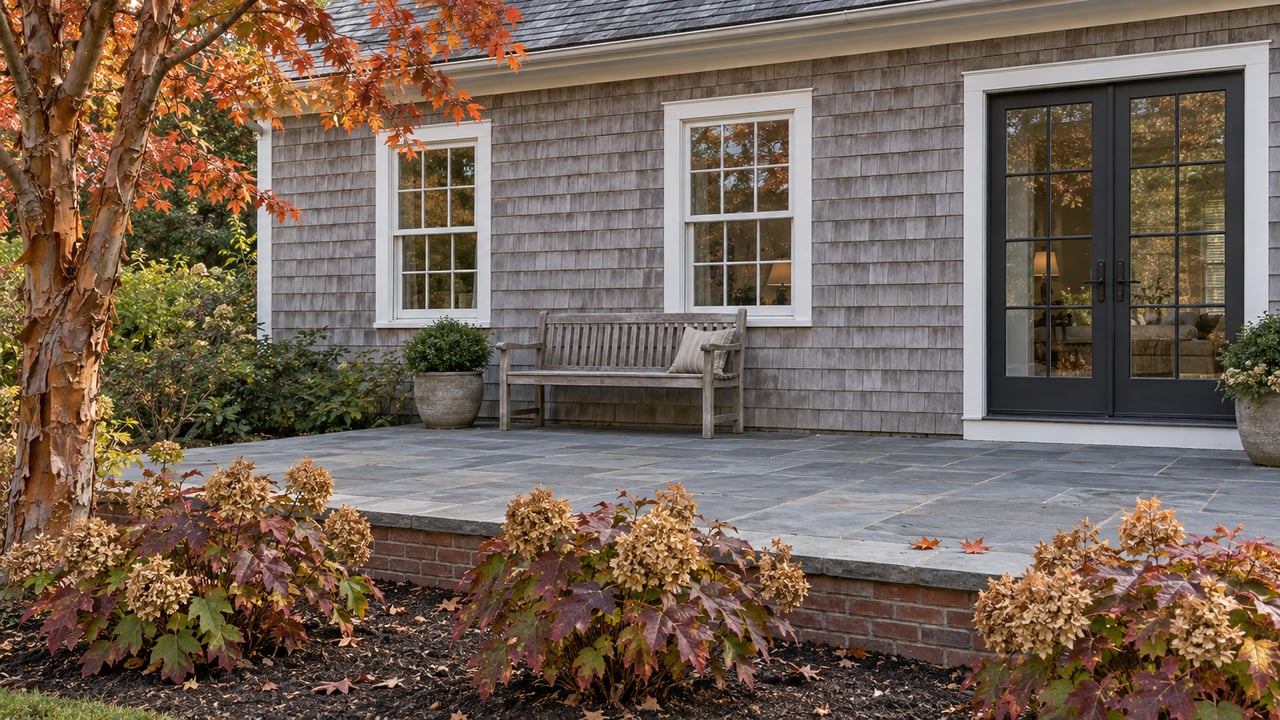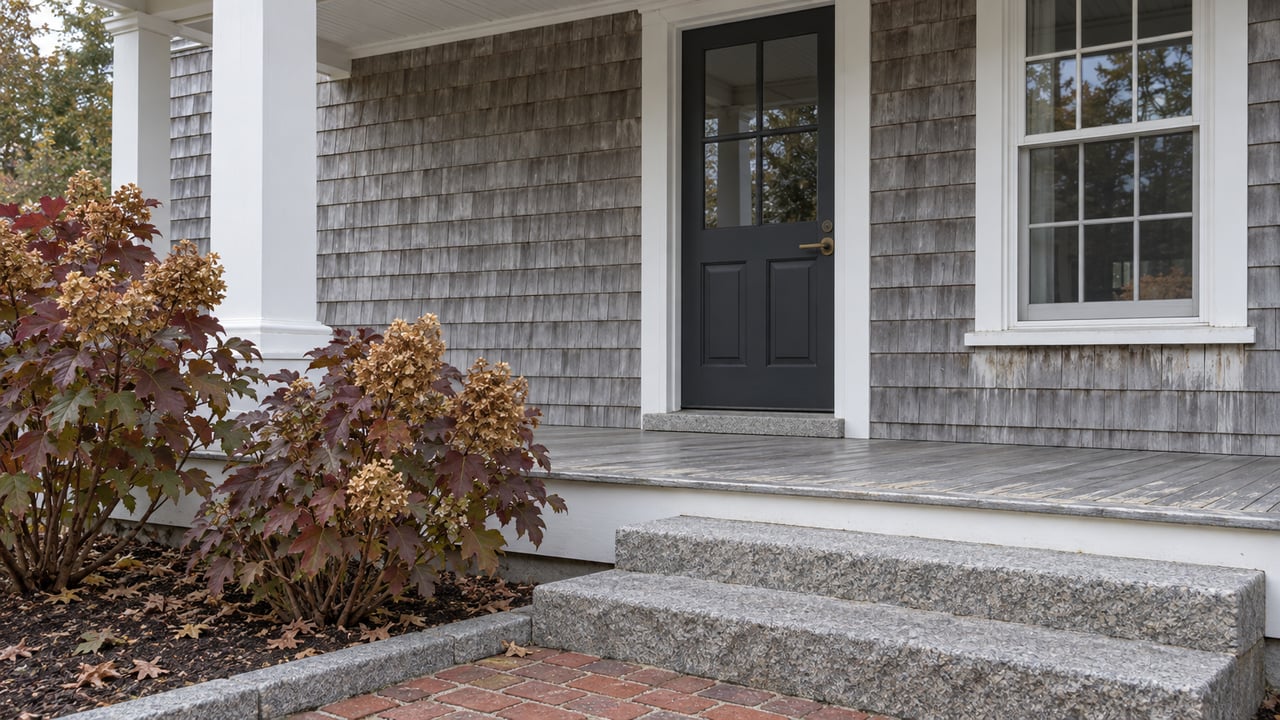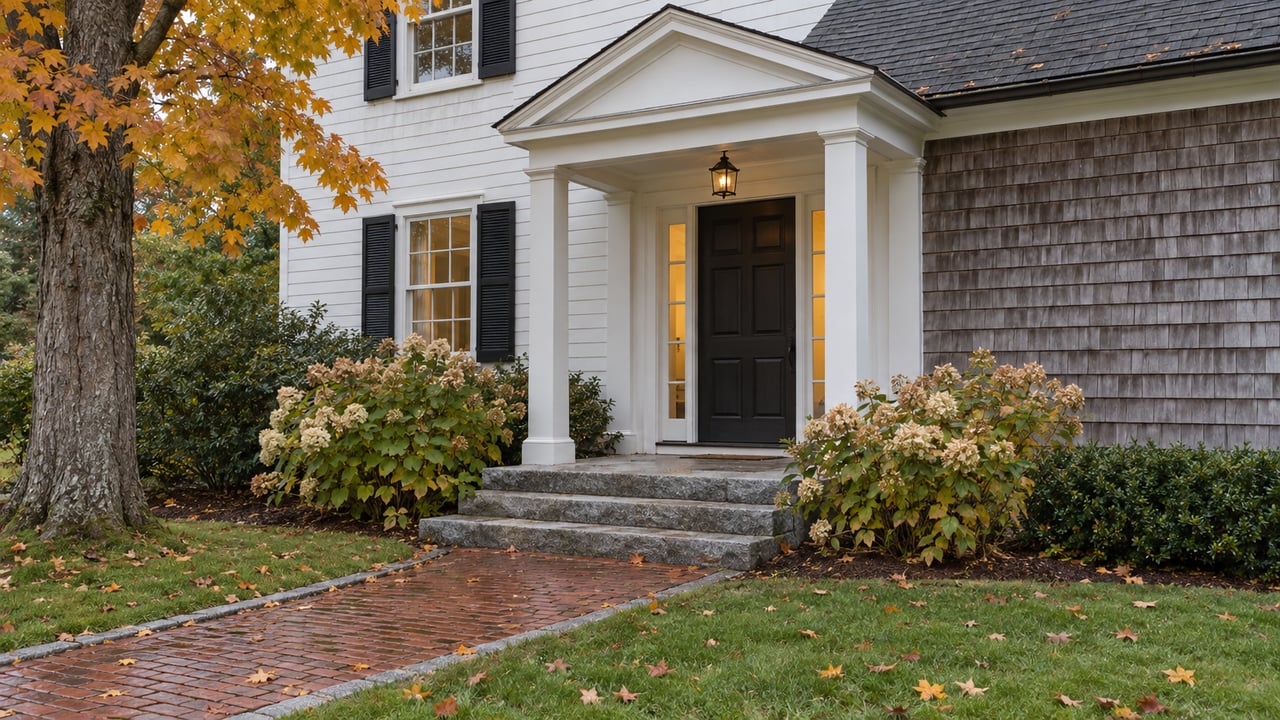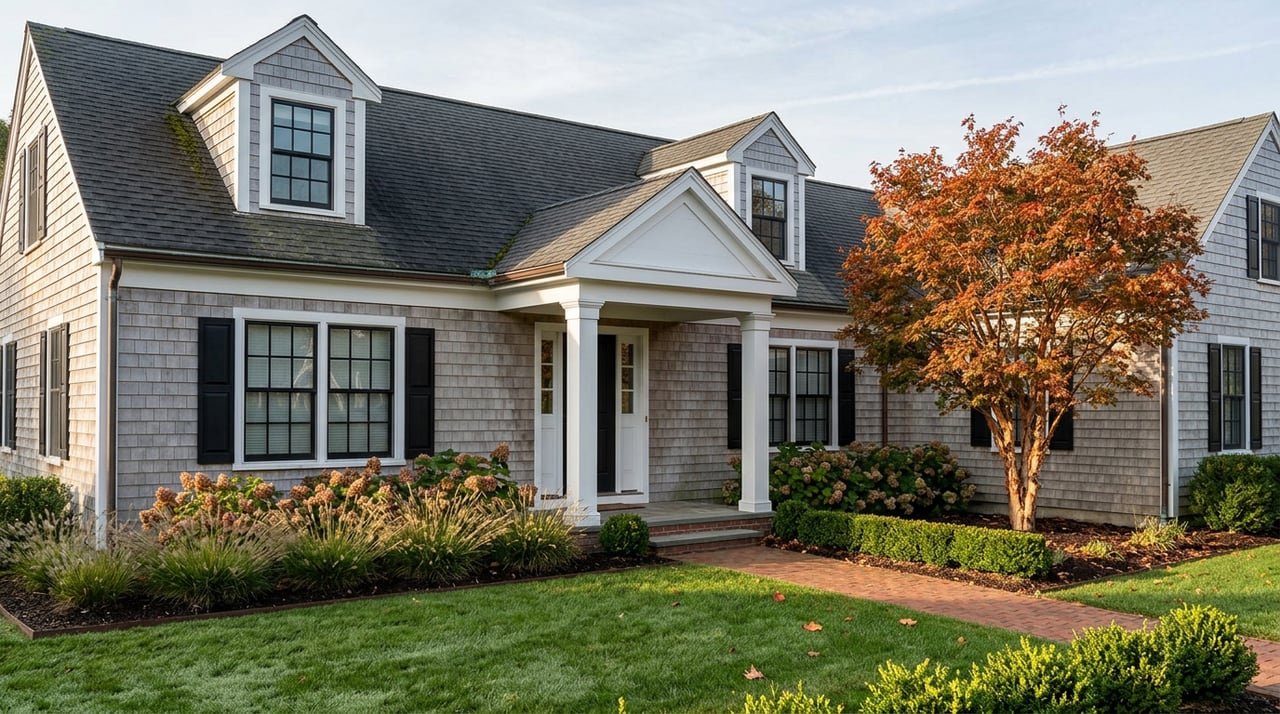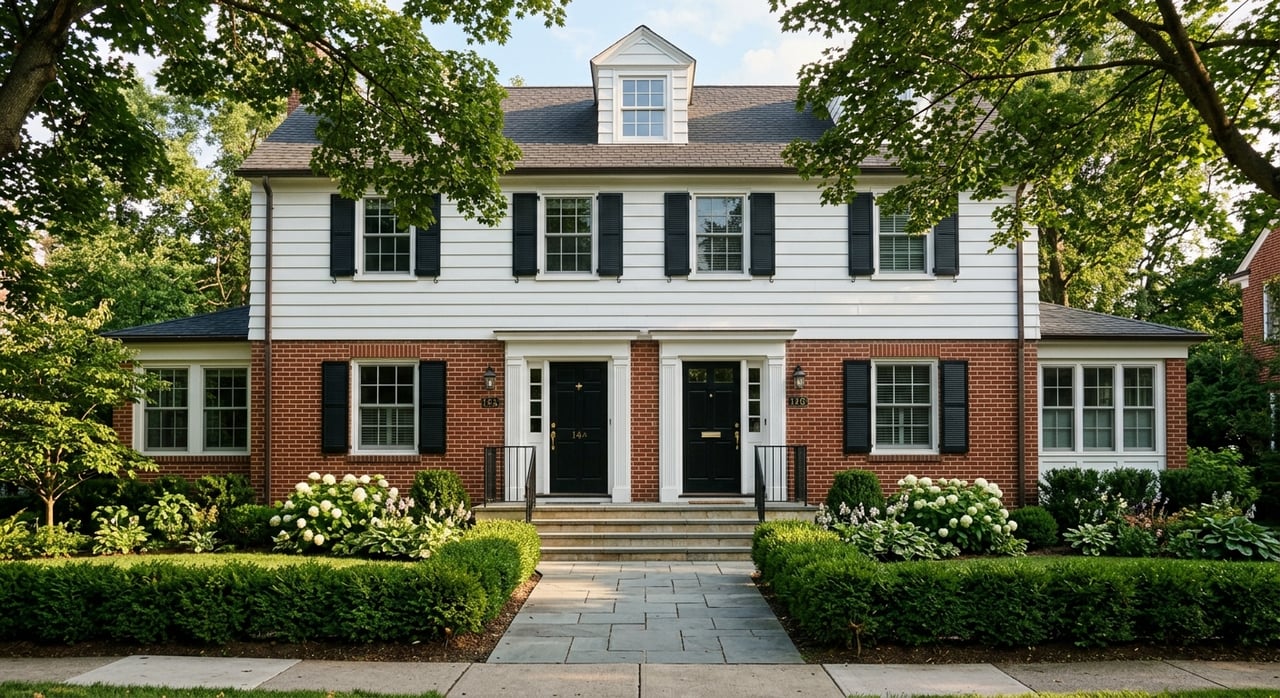
Wondering whether Waltham is a smart place to buy with both lifestyle and long-term value in mind? If you want a home that works for your day-to-day life and supports an investment-minded strategy, Waltham deserves a close look. Its mix of transit access, job proximity, varied housing stock, and limited inventory makes it stand out in Greater Boston. Let’s dive in.
Why Waltham attracts investment-minded buyers
Waltham is not a bargain market, and that is important to understand upfront. Recent market trackers place typical home values around the low-$800,000s, with Zillow at $802,136 as of February 28, 2026 and Redfin reporting a median sale price of $838,000 in March 2026. At the same time, Zillow showed just 46 homes for sale and 14 new listings, which points to tight supply.
For many buyers, the appeal is less about finding a discount and more about buying into a city with multiple drivers of demand. Waltham combines access to major employment hubs, commuter options, a strong renter presence, and a housing mix that gives buyers more than one path into the market. That combination can matter if you are thinking beyond the next year or two.
Waltham home values in context
Waltham's pricing has remained in the high-$700,000 to low-$800,000 range across several sources, even though each metric measures the market a little differently. The City of Waltham's draft 2026-2030 Consolidated Plan reported a median home listing price of $834,950 in January 2025, up from $817,450 in January 2024. Zillow showed average home value growth of 1.5% year over year in February 2026, while Redfin reported a 7.5% year-over-year drop in median sale price in March 2026.
That short-term variation is a helpful reminder that markets do not move in a straight line. If you are investment-minded, the bigger lesson is that Waltham appears to have held a high value position over time, even with month-to-month or year-to-year shifts. It is better viewed as a market where location and property selection matter than one where every purchase follows the same pattern.
Long-term appreciation story
Waltham also has a notable long-run appreciation backdrop. A city planning document reported a median sale price of $399,500 for a single-family home in 2013. Compared with today's readings around $800,000, that suggests substantial growth over time, even though the data points are not perfectly identical measures.
For a buyer planning to stay put for several years, that history supports the idea that Waltham has been more than just a convenient commuter city. It has shown the kind of staying power that often attracts buyers who want a home to serve both personal and financial goals.
What supports housing demand in Waltham
One of Waltham's strongest advantages is demand diversity. The city reports that education and health care services plus professional, scientific, and management industries account for 47% of workers. Waltham is also closely tied to Brandeis, Bentley, biotech labs, offices, hotels, and employers along the Route 128 corridor.
That matters because cities with multiple employment anchors can appeal to a wider range of buyers and renters. The city's draft plan also reported a 3.5% unemployment rate, which adds more context to the area's economic stability. For an investment-minded homebuyer, broad demand drivers can be just as important as headline pricing.
Commute access is a real plus
Convenience plays a major role in Waltham's appeal. According to the city, 62% of commute trips are under 30 minutes, and another 32% are between 30 and 59 minutes. In an inner-suburban market, that kind of access can help support demand across different buyer profiles.
Waltham also offers two commuter rail stops on the Fitchburg-Boston line and MBTA bus routes including 61, 70, 170, 505, 553, 554, 556, and 558. Some commuters also use Charles River bike and walking paths to reach Cambridge and Boston. If you value optionality in how you move through the region, Waltham checks an important box.
Lifestyle factors that add staying power
Investment-minded buyers often focus on numbers first, but everyday livability matters too. Waltham's planning materials highlight Moody Street and Main Street as walkable business streets with restaurants, shops, and trail access. The city also identifies the Route 128 and I-95 area, including CityPoint, Winter Street, Main Street, and Moody Street, as important commercial and growth corridors.
That blend of business activity and practical convenience helps explain why Waltham often appeals to both owner-occupants and renters. When a location works well for daily routines, commuting, and access to services, it tends to remain relevant even as the market changes.
Waltham is not just a single-family market
A lot of buyers ask whether Waltham is mostly a single-family city. The short answer is no. Waltham has a structurally mixed housing market that includes single-family homes, two-family homes, multifamily buildings, and condos.
That matters because investment-minded homebuyers often have different goals. Some want a classic single-family home and long-term appreciation. Others want lower-maintenance condo living near transit, or a two- or three-family property that reflects Waltham's traditional small multifamily housing stock.
How property types vary across Waltham
City planning documents describe North Waltham as more single-family-heavy. The downtown and Southern Neighborhood District include more two- and three-family homes, plus newer mixed-use apartments and condominiums near transit and commercial centers. The southern area is also described as more urban in feel, with more rental housing than the north side.
That gives you several ways to think about fit:
- Single-family homes in North Waltham may appeal if you want more traditional lot-based living.
- Condos and mixed-use units near transit may fit if you prioritize convenience and lower maintenance.
- Two- and three-family homes may be worth considering if you are drawn to Waltham's classic small multifamily format.
The key is matching your purchase to your time horizon, budget, and tolerance for upkeep.
Older housing stock can mean opportunity and work
Waltham's housing stock skews older. City planning materials say 79% of housing was built before 1980, 41% before 1950, and 24% of rental stock dates to 1939 or earlier. Regional planning data also places Waltham in a moderate-density submarket dominated by smaller multifamily homes and older buildings.
For buyers, that can cut both ways. Older homes may offer character, established locations, and value-add potential, but they can also bring higher maintenance and renovation needs. If you are thinking like an investor, this is where due diligence becomes especially important.
Rental demand adds another layer
Waltham also stands out for its meaningful renter base. ACS-based data show that 48.8% of occupied housing units are owner-occupied, which means roughly half are renter-occupied. The same data set reported a median gross rent of $2,232 for 2019-2023, while Zillow's February 2026 rental estimate was $3,035.
No single rent figure tells the whole story, but together they suggest an active rental market. The city's planning materials also reference student renters and professional renters. For buyers considering condos, two-family homes, or small multifamily properties, that is a relevant piece of the picture.
Is Waltham right for your goals?
Waltham may be a strong fit if you are comfortable buying in a higher-priced market because you value access, flexibility, and long-term positioning. It tends to make the most sense for buyers who want more than a low entry price. The city's appeal comes from its connectivity, varied housing options, employer base, and balanced mix of owner and renter demand.
It may be less appealing if your strategy depends on finding a deeply discounted market or avoiding older housing stock. In Waltham, smart buying often means being selective, understanding tradeoffs, and choosing the property type that best matches how you plan to live and hold the asset.
If you want help weighing Waltham against other Greater Boston options, a tailored strategy matters. Barrie Naji offers discreet, high-touch guidance for buyers who want to balance lifestyle, location, and long-term value with clarity.
FAQs
Is Waltham a good location for investment-minded homebuyers?
- Waltham can be a strong choice for investment-minded homebuyers because it combines transit access, job proximity, limited housing supply, varied property types, and a meaningful renter base.
Is Waltham mostly single-family housing?
- No. Waltham includes single-family homes, condos, two-family homes, and multifamily properties, with different housing patterns in North Waltham versus downtown and southern areas.
Do Waltham homes show long-term appreciation?
- City planning data suggest meaningful long-term appreciation, with a reported median single-family sale price of $399,500 in 2013 compared with current market readings around $800,000.
Is rental demand meaningful in Waltham?
- Yes. Census-based data show that about half of occupied housing units are renter-occupied, and city planning documents note both student and professional renters in the market.
What should buyers watch for in older Waltham homes?
- Many Waltham properties were built before 1980, so buyers should pay close attention to maintenance needs, renovation costs, and overall condition when comparing opportunities.