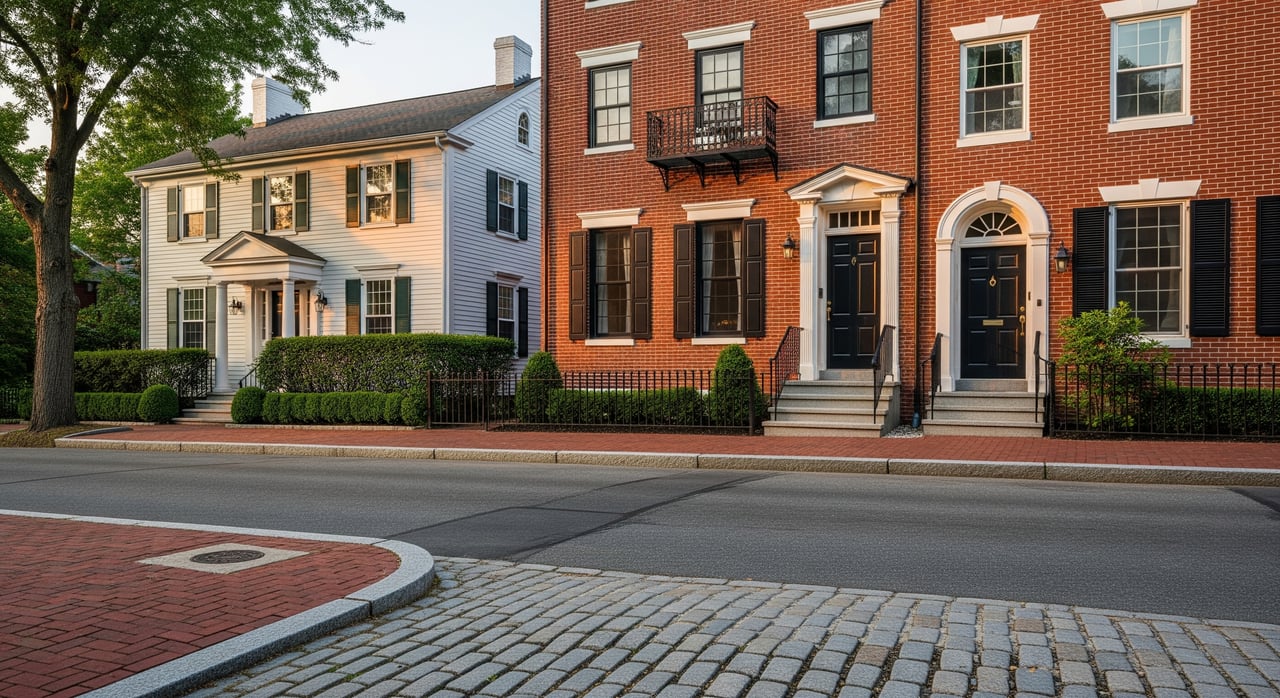
Thinking about a condo, townhome, or single-family house in Quincy, but not sure which one fits your lifestyle and budget? You are not alone. With four MBTA Red Line stations, waterfront pockets, and a wide mix of housing, Quincy gives you real choices, each with tradeoffs on space, parking, upkeep, and total monthly cost. This guide breaks down what you actually own, how costs compare, the maintenance you can expect, and the neighborhood patterns that matter. Let’s dive in.
What you own in Massachusetts
Understanding what you own helps you predict costs and avoid surprises later.
Condos: shared ownership of a building
In a condo, you own the interior of your unit and a share of the common areas. Governance, budgets, and rules are set by the association under the Massachusetts Condominium Law. Review the Massachusetts Condominium Law (Chapter 183A) before you buy. The association collects monthly dues, maintains building exteriors and common areas, and carries a master insurance policy.
What to check: master deed and bylaws, annual budget, reserve study, meeting minutes, master insurance, and any pending litigation or special assessments.
Townhomes: attached living with mixed setups
“Townhouse” often describes an attached, multi-level home. In practice, it can be legally a condo or fee simple. If it is fee simple, you own the land under the unit. Exterior and roof responsibilities vary. Some townhome communities use an HOA to handle exteriors. Others leave the roof, siding, and driveway to each owner. Confirm responsibilities in the documents.
Single-family houses: full control, full responsibility
A detached home is fee simple. You own the land and structure and are responsible for all maintenance. HOAs are uncommon in Quincy outside of planned communities. Insurance follows a standard homeowner policy model.
What it costs each month in Quincy
Your monthly cost includes more than the mortgage. You will weigh price, taxes, insurance, HOA dues, utilities, and maintenance.
- Mortgage principal and interest
- Property taxes through the City of Quincy
- Insurance: HO-6 for condos, HO-3 for houses; flood insurance if required
- HOA or condo fees if applicable
- Utilities: some condos include heat or water
- Maintenance and repairs, plus potential capital contributions or assessments
Typical Quincy ranges, mid-2024
Actual numbers change often, so confirm current figures on specific listings and with your lender.
- Condos: roughly $300,000 to $700,000+ depending on size, age, and location near transit.
- Townhomes: roughly $450,000 to $900,000 depending on bedrooms, newness, and location.
- Single-family: roughly $600,000 to $1.5M+ based on lot size and neighborhood.
- HOA and condo fees:
- Small or older condo buildings: often $200 to $400 per month.
- Larger buildings with more amenities or included utilities: commonly $300 to $700+ per month.
- Townhome HOAs: often $200 to $600 per month if there is an HOA; some fee-simple townhomes have lower fees or none.
An HOA can change the math. For example, a $450,000 condo with a $2,000 mortgage and a $350 HOA may be similar in total monthly cost to a $550,000 house with a $2,400 mortgage and no HOA. The details depend on taxes, insurance, utilities, and what the HOA covers.
Maintenance and lifestyle tradeoffs
Condos: lower exterior chores, more rules
The association typically handles exterior maintenance, roofs, common areas, landscaping, and snow removal. You focus on interior upkeep and in-unit systems. Expect more predictable routine costs, but plan for special assessments if reserves fall short. Rules may limit renovations or flooring types for noise control.
Townhomes: confirm who fixes what
Some townhome HOAs maintain exteriors and grounds. Others make owners responsible for roofs, siding, and driveways. Read the master deed and HOA documents closely to avoid surprises.
Single-family houses: control and privacy
You manage everything: exterior, yard, and systems. You get the most flexibility for alterations, subject to local zoning or historic review. Budget for seasonal work and larger capital items over time.
Parking and storage
In denser areas, you may have street parking or assigned spaces. Some buildings offer garage or surface spaces. Townhomes often include driveways or garages. Single-family homes typically provide the most storage and off-street parking. Parking rules vary, so check the City of Quincy for local permit details.
Commute, transit and neighborhoods to compare
Quincy is shaped by transit. The Red Line stops at North Quincy, Wollaston, Quincy Center, and Quincy Adams. If a short train ride to Boston matters, being near one of the MBTA Red Line stations can be a top priority.
- Quincy Center: many condos, mixed-use, and strong walkability. Parking can be tighter, but the commute is easy.
- North Quincy and Wollaston: condos and some townhomes near stations. Properties close to Wollaston Beach can face coastal considerations, so check flood maps.
- Squantum, Germantown, South and West Quincy: more single-family homes and yard space, often with easier parking. Expect a longer local trip to the Red Line.
- Quincy Point and along Quincy Shore Drive: a mix of older homes and multifamily, plus shoreline exposure in places.
If you are considering a waterfront or near-shore property, review the FEMA Flood Map Service Center and confirm any flood insurance needs with your insurer and lender. For broader demographics and commuting patterns, explore U.S. Census QuickFacts for Quincy.
Financing and approvals
Condos can face stricter lender rules, especially for FHA or VA loans. Some projects must be on an approved list, and factors like owner-occupancy, investor concentration, and litigation can affect financing. Townhomes that are fee simple and single-family homes usually follow standard underwriting. If you plan to use FHA or VA, confirm project status early using HUD guidance on condo approvals and discuss options with your lender.
What to review before you write an offer
Do a document and property check to protect your budget and timeline.
- Ownership type: Confirm whether the home is condo, townhome, or fee simple.
- Association health: Ask for the budget, reserve study if available, recent meeting minutes, rules, and any planned special assessments.
- What fees cover: Clarify if dues include heat, hot water, water and sewer, trash, snow removal, exterior maintenance, and parking.
- Parking specifics: Number of spaces, guest rules, and any permit requirements.
- Pets and rentals: Confirm policies and any limits on rentals.
- Inspections: For condos, ask about the building’s maintenance history and major systems. For houses, arrange a full home inspection and request estimates for deferred items.
- Insurance: Understand what the master policy covers versus your policy. The Insurance Information Institute is a helpful primer.
- Taxes: Verify assessments and exemptions through the City of Quincy.
Quick decision guide
Use these prompts to narrow your search faster.
- Choose a condo if you want low exterior maintenance and easy Red Line access in places like Quincy Center, North Quincy, or Wollaston, and you are comfortable with HOA rules and dues.
- Choose a townhome if you want attached living with more space and potential for a garage or driveway, and you are willing to confirm exterior responsibilities in the documents.
- Choose a single-family house if you want maximum privacy, a yard, and more storage, and you are ready to take on full maintenance and a potentially higher purchase price.
Ready to talk through the tradeoffs and see examples that match your budget, commute, and space needs? Schedule a private consultation with Barrie Naji for calm, data-informed guidance tailored to how you live.
FAQs
What is the legal difference between a condo and a townhome in Quincy?
- A condo is governed under Chapter 183A where you own the unit interior and share common areas, while a townhome may be fee simple or set up as a condo, so responsibilities depend on the recorded documents.
How much are typical condo or HOA fees in Quincy, mid-2024?
- Many condos range from about $200 to $700+ per month depending on building size and services, while townhome HOAs often run $200 to $600 if applicable, with some fee-simple townhomes having lower fees or none.
Can I use FHA or VA financing for a Quincy condo?
- Often yes, but the condo project may need approval; check the status and requirements using HUD guidance on condo approvals and confirm with your lender.
Which Quincy areas are closest to Red Line service?
- North Quincy, Wollaston, Quincy Center, and Quincy Adams host stations on the MBTA Red Line, and homes near these hubs typically trade convenience for less private outdoor space.
Do I need flood insurance near Wollaston Beach or Quincy Shore Drive?
- It depends on the mapped flood zone for the specific property; review the FEMA Flood Map Service Center and confirm any lender requirements and premium estimates with your insurer.